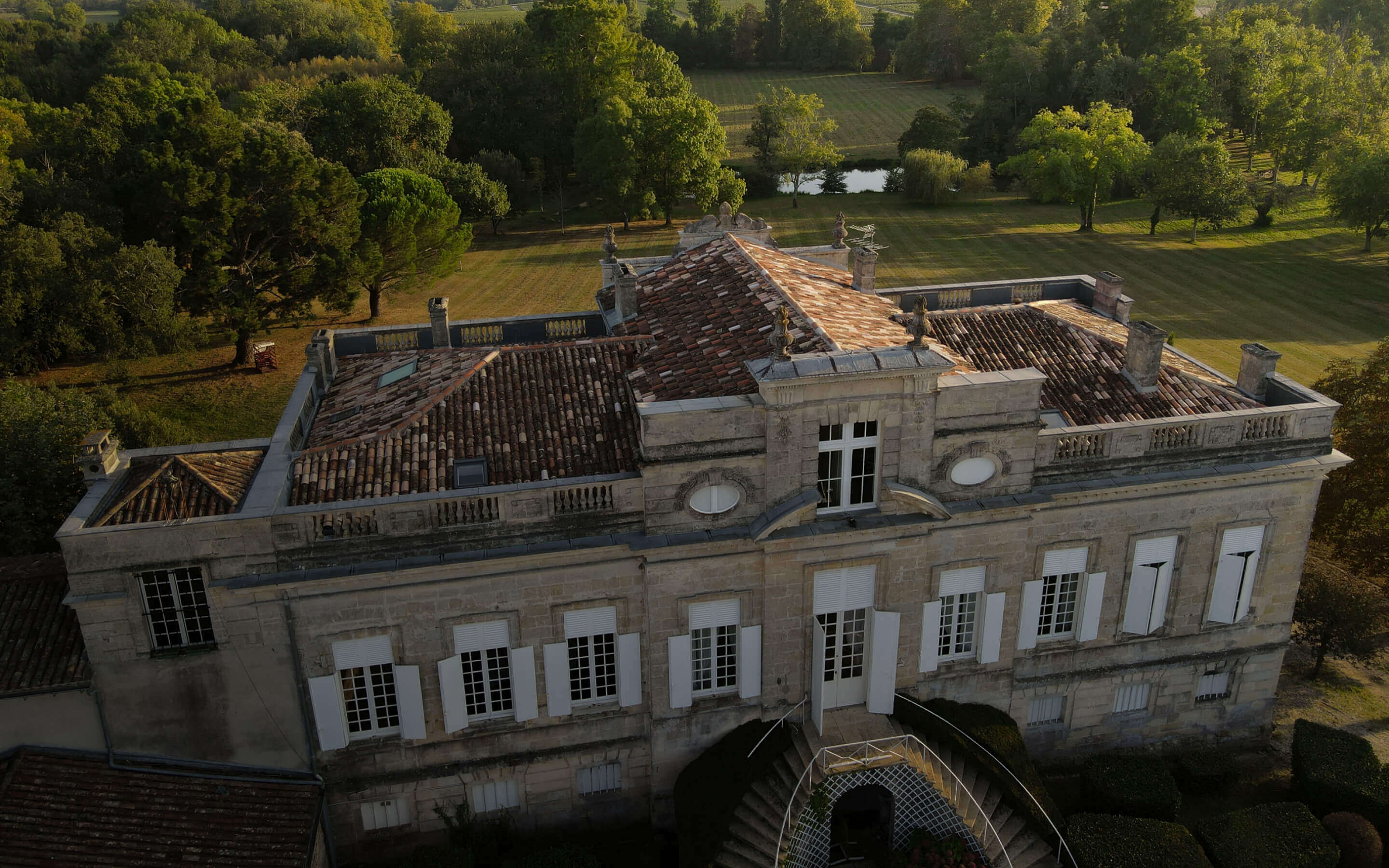
l’âme d’un
lieu, la précision des vins
C’est dans un cadre enchanteur, entre bois et vignes bercées par les flots, que ce Cru Bourgeois Exceptionnel donne vie à des vins fins et précis qui invitent au partage.
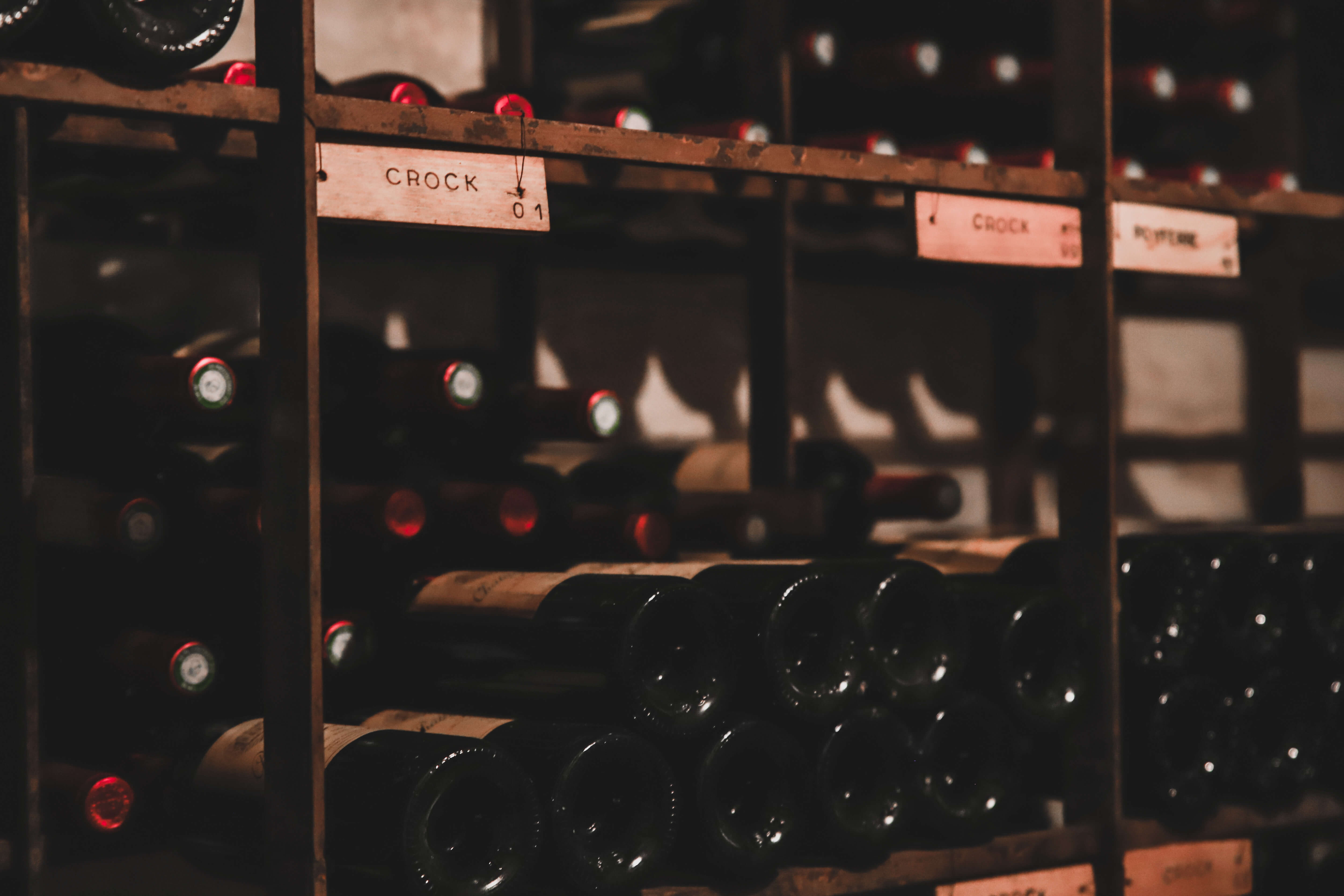
Nos vins
Les saisons et les années se suivent mais ne se ressemblent pas, une diversité qui fait la richesse de notre région.
Découvrez les derniers millésimes de nos deux vins :
Le « grand vin », Château Le Crock, issu des terroirs exceptionnels de Saint-Estèphe.
Ainsi que son petit frère ou « second vin », issu principalement des plus jeunes vignes, Château La Croix St-Estèphe.
Cliquez ci-dessous pour lire les éloges de la presse, des conseils sur la conservation de vos vins, le moment de les ouvrir et des suggestions d’accords mets et vins.
Tout ce qu’il faut pour mieux comprendre la singularité des vins de notre propriété familiale.
Notre
savoir-faire
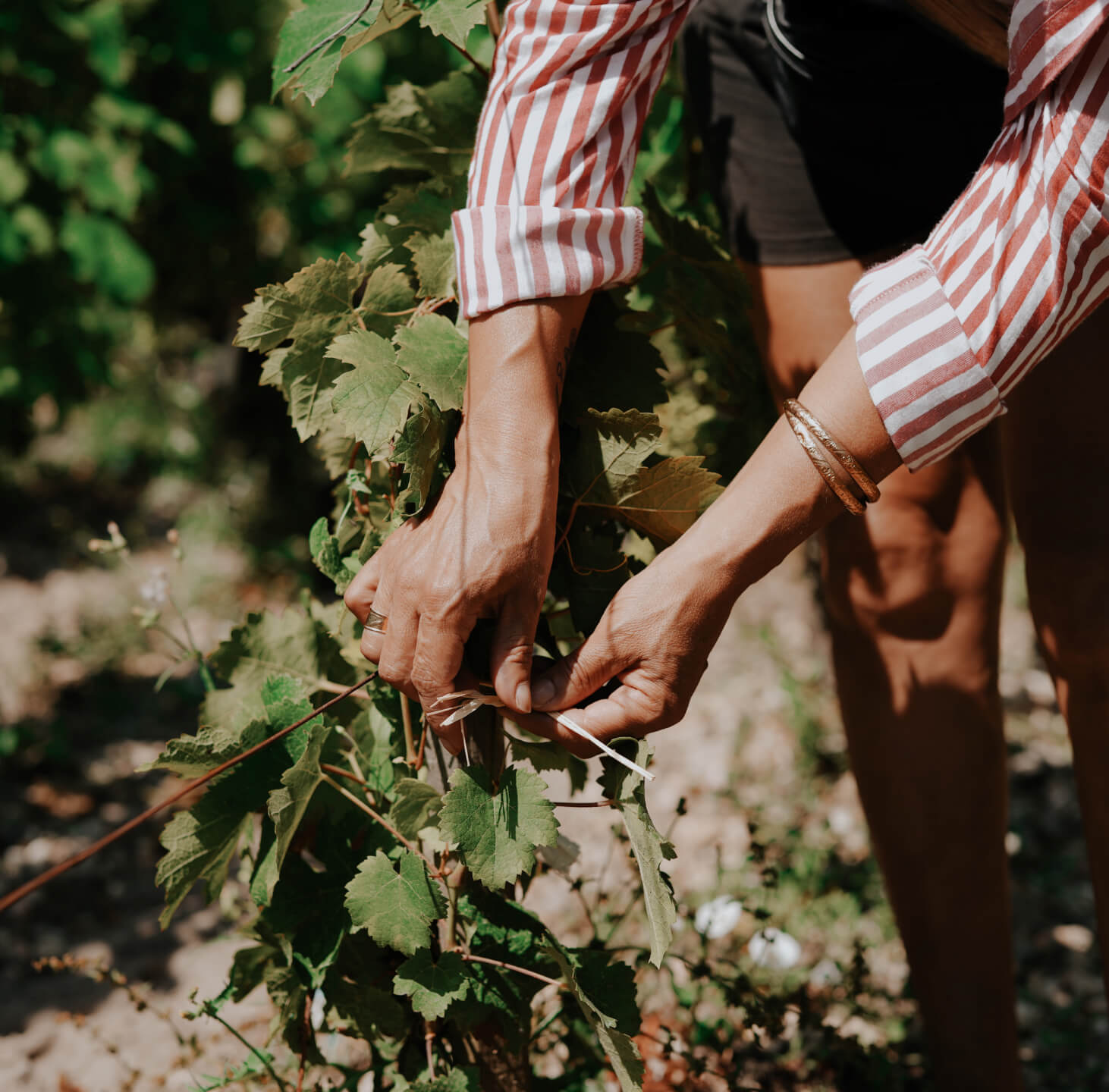
Le vignoble du Château Le Crock compte 32 hectares de vignes répartis sur trois zones bien distinctes.
Planté sur des sols de graves profondes et d’argile avec du sable en surface, les vignes expriment toute la typicité des terroirs de Saint-Estèphe et donnent vie à des vins complexes et puissants, au profil intense et fruité.
Rendez-nous
visite
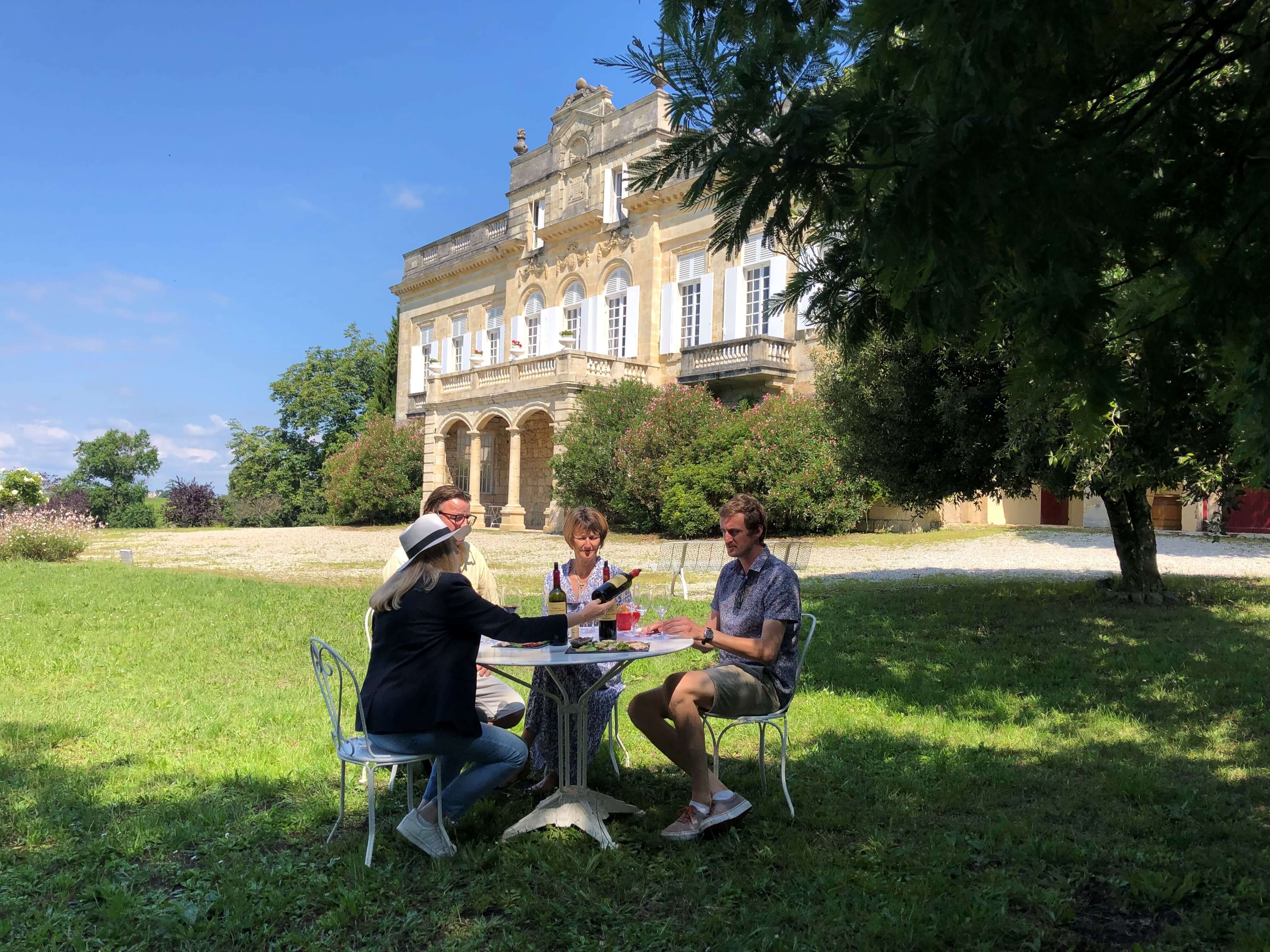
Tout proche de l’estuaire de la Gironde, de l’océan et non loin de la belle ville de Bordeaux, venez découvrir Château Le Crock et entrez dans l’univers de nos vins.
Vignes, vinification, élevage et dégustation vous attendent pour révéler les secrets d’élaboration de ce Cru Bourgeois Exceptionnel à Saint-Estèphe !
Les visites et les dégustations peuvent se dérouler en anglais, en français et en allemand, selon la disponibilité du guide.
Le Château est actuellement fermé aux visites, celles-ci réouvriront à partir du mois de Juin 2024.
Cependant les autres propriétés familiale à Saint Julien (Châteaux Léoville Poyferré et Moulin Riche), vous accueillent.
Pour plus d’informations cliquez ici
L’Histoire
du domaine
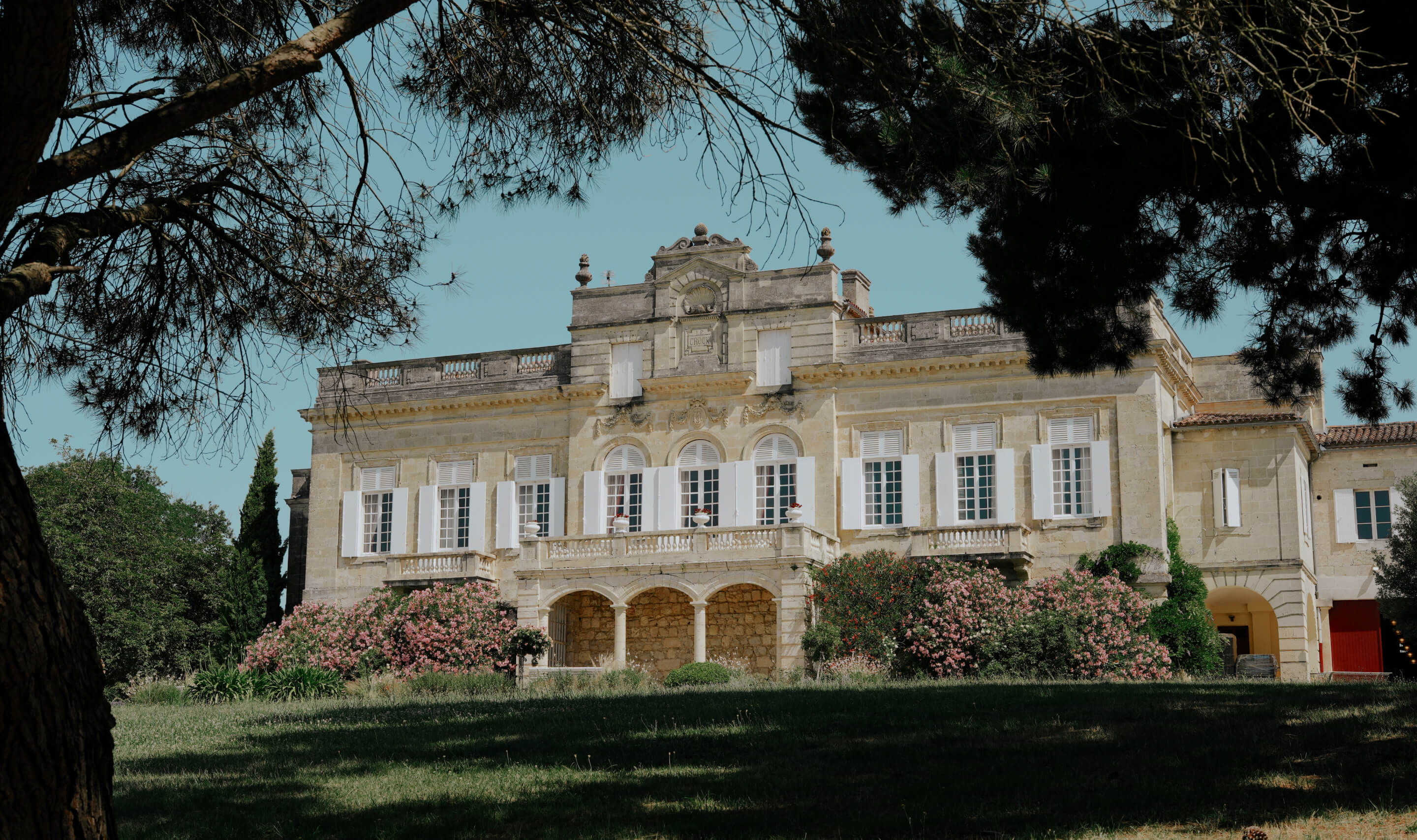
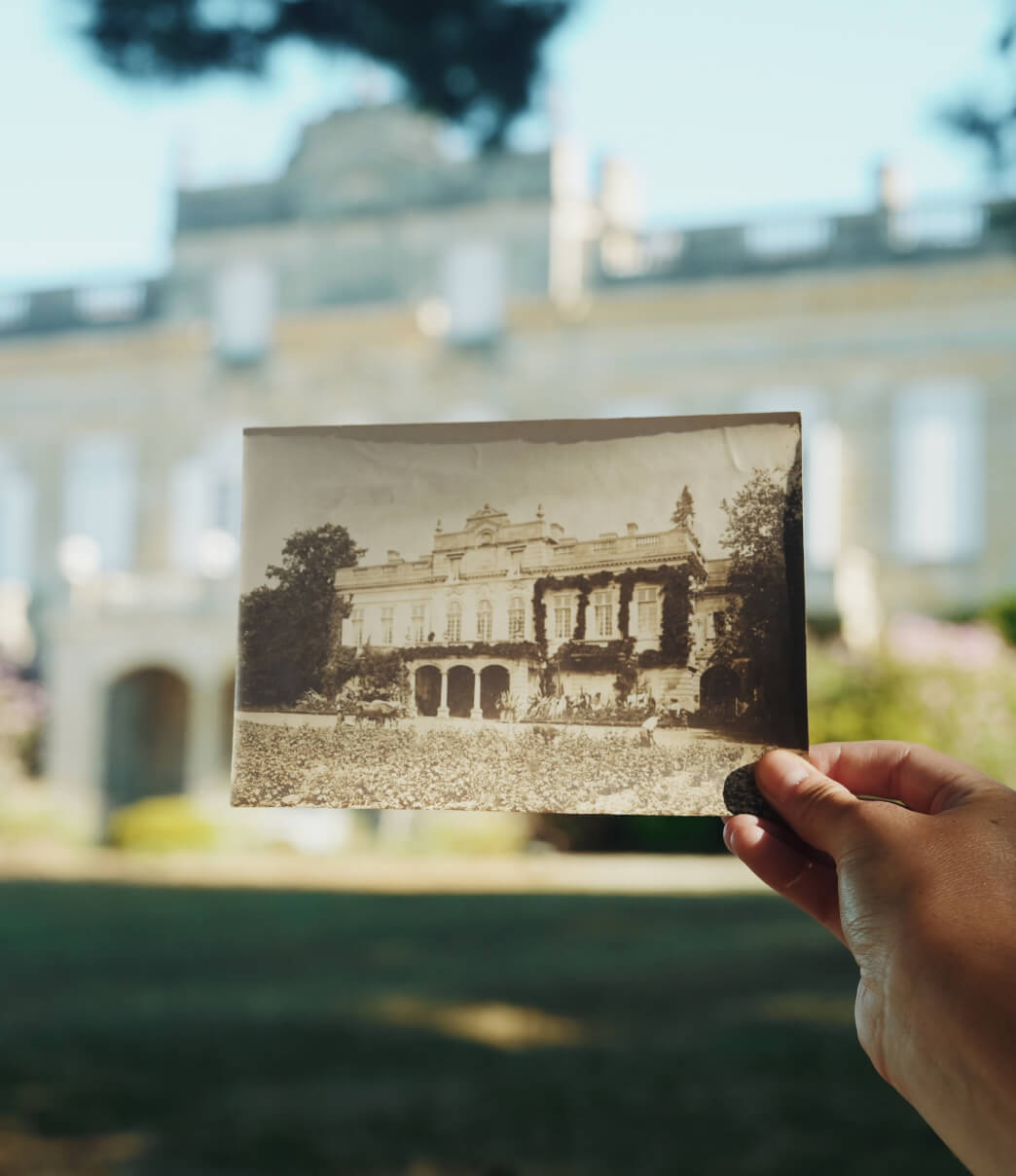
Magnifique bâtisse édifiée par la famille Merman au début du 19e siècle, le château familial se démarque par son architecture unique dans le Médoc, référencée au patrimoine régional.
Actualités



Découvrir
